


Effective Ways to Remove Black Algae from Pool
- All About Pools

- Apr 8
- 4 min read
Black algae in swimming pools can be a real headache. It’s stubborn, unsightly, and can make your pool unsafe and unpleasant to swim in. If you’ve noticed those dark, slimy patches clinging to your pool walls or floor, you’re not alone. Many pool owners in Cape Town face this challenge, especially with our warm climate that encourages algae growth. But don’t worry - I’m here to guide you through effective ways to remove black algae from pool surfaces and keep your water sparkling clean.
Let’s dive into practical steps and tips that will help you tackle black algae head-on and maintain a healthy swimming environment.
Why You Need to Remove Black Algae from Pool Surfaces
Black algae isn’t just an eyesore. It’s a tough form of algae that forms a protective slime layer, making it resistant to many common pool treatments. If left untreated, it can:
Damage your pool’s surface by creating pits and rough patches.
Make your pool slippery and unsafe.
Cause water quality issues, leading to cloudy or greenish water.
Increase the risk of skin irritation or infections for swimmers.
Removing black algae promptly is essential to protect your investment and enjoy a clean, inviting pool all year round.
How to Remove Black Algae from Pool: Step-by-Step Guide
Removing black algae requires a combination of physical scrubbing and chemical treatment. Here’s a straightforward approach you can follow:
1. Brush the Affected Areas
Start by using a stiff pool brush (preferably stainless steel for concrete pools or nylon for vinyl pools). Scrub the black algae patches vigorously to break up the protective slime layer. This step is crucial because chemicals alone can’t penetrate the algae’s tough coating.
2. Test and Balance Your Pool Water
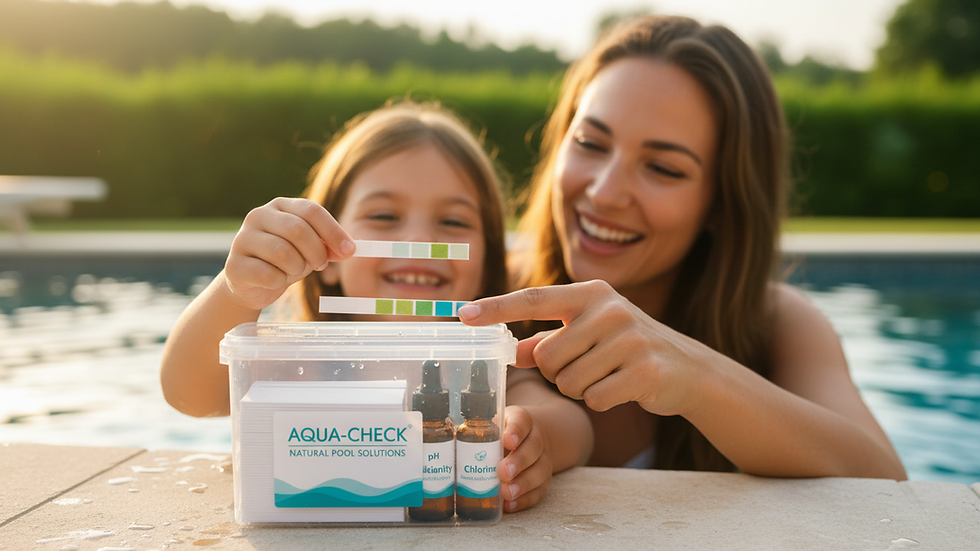
Before applying any chemicals, test your pool water’s pH, alkalinity, and chlorine levels. Black algae thrive in unbalanced water, so make sure:
pH is between 7.2 and 7.6
Alkalinity is between 80 and 120 ppm
Chlorine levels are adequate (1-3 ppm for regular maintenance)
Balancing your water helps chemicals work more effectively.
3. Shock the Pool
Use a pool shock treatment with a high chlorine concentration to kill the algae. Follow the manufacturer’s instructions carefully. For stubborn black algae, you might need to apply shock treatment more than once.
4. Use an Algaecide
After shocking, apply a specialized algaecide designed to target black algae. This helps prevent regrowth and keeps your pool water clear.
5. Maintain Regular Cleaning and Water Balance
Once the black algae is gone, keep your pool clean by brushing weekly, vacuuming debris, and regularly testing and adjusting water chemistry.

Does Chlorine Get Rid of Black Algae?
You might wonder, does chlorine get rid of black algae? The short answer is yes, but with some important caveats.
Chlorine is a powerful sanitizer and can kill algae, but black algae is particularly resistant. Its slimy coating protects it from chlorine penetration, so simply maintaining normal chlorine levels often isn’t enough. That’s why shocking your pool with a high dose of chlorine is necessary to break through the algae’s defenses.
Even after shocking, you’ll need to physically scrub the algae to remove it completely. Relying on chlorine alone can lead to frustration and persistent algae patches.
In summary:
Regular chlorine levels prevent algae growth but don’t eliminate established black algae.
Shocking with chlorine is essential for killing black algae.
Physical scrubbing is necessary to remove the algae’s protective layer.
Preventing Black Algae from Returning
Once you’ve successfully removed black algae, prevention is key to keeping your pool algae-free. Here are some tips to help you maintain a healthy pool environment:
Keep your pool water balanced: Regularly test and adjust pH, alkalinity, and chlorine levels.
Maintain proper filtration: Clean or backwash your pool filter regularly to ensure it’s working efficiently.
Brush and vacuum weekly: This prevents algae from settling and growing on pool surfaces.
Use algaecide as a preventive measure: Especially during warmer months when algae growth is more likely.
Ensure good water circulation: Stagnant water encourages algae growth, so run your pump daily for at least 8 hours.
By following these steps, you can enjoy a clean, clear pool and avoid the hassle of dealing with black algae again.

When to Call in the Experts
Sometimes, despite your best efforts, black algae can be stubborn. If you’ve tried scrubbing, shocking, and algaecide treatments without success, it might be time to seek professional help.
Pool service experts have access to stronger treatments and specialized equipment to tackle severe black algae infestations. They can also inspect your pool for underlying issues like poor circulation or surface damage that may be contributing to algae growth.
Remember, early intervention saves time and money. Don’t hesitate to get professional advice if you’re struggling to get rid of black algae in pool water.
Keeping Your Pool Beautiful and Healthy Year-Round
Removing black algae from your pool is not just about aesthetics - it’s about creating a safe and enjoyable space for you and your family. With consistent care, proper water chemistry, and timely treatments, you can keep your pool sparkling and algae-free.
If you want to learn more about how to get rid of black algae in pool, or need expert assistance with pool maintenance in Cape Town, don’t hesitate to reach out. Your pool deserves the best care, and with the right approach, you’ll be swimming in crystal-clear water in no time.
Let’s keep those black algae patches at bay and enjoy every splash!


Comments