


Understanding Pool Water Testing Solutions with DIY Kits
- All About Pools

- May 5
- 4 min read
Keeping your swimming pool clean and safe is a top priority, especially when the sunny days call for a refreshing dip. But how do you know if your pool water is balanced and healthy? That’s where pool water testing solutions come in. Today, I want to share everything I’ve learned about testing your pool water at home, using simple and effective methods. Whether you’re new to pool care or looking to improve your routine, this guide will help you feel confident about maintaining crystal-clear water.
Why Pool Water Testing Solutions Matter
You might wonder, why is testing pool water so important? Well, your pool water is a delicate ecosystem. It needs the right balance of chemicals to stay clean, safe, and comfortable for swimmers. If the water is too acidic or too alkaline, it can cause skin irritation, damage pool equipment, or even promote algae growth.
Testing your pool water regularly helps you:
Maintain proper pH levels: Ideal pH is between 7.2 and 7.8.
Control chlorine levels: Enough to kill bacteria but not too much to irritate skin.
Check alkalinity and hardness: To protect your pool surfaces and equipment.
Prevent algae and bacteria growth: Keeping your pool inviting and safe.
Without testing, you’re basically guessing what your pool needs. And guesswork can lead to costly repairs or unsafe swimming conditions.
Exploring Pool Water Testing Solutions
There are several ways to test your pool water, but the most convenient and cost-effective method is using a pool water testing kit. These kits come in different types, but they all aim to give you quick and accurate results.
Types of Pool Water Testing Kits
Test Strips
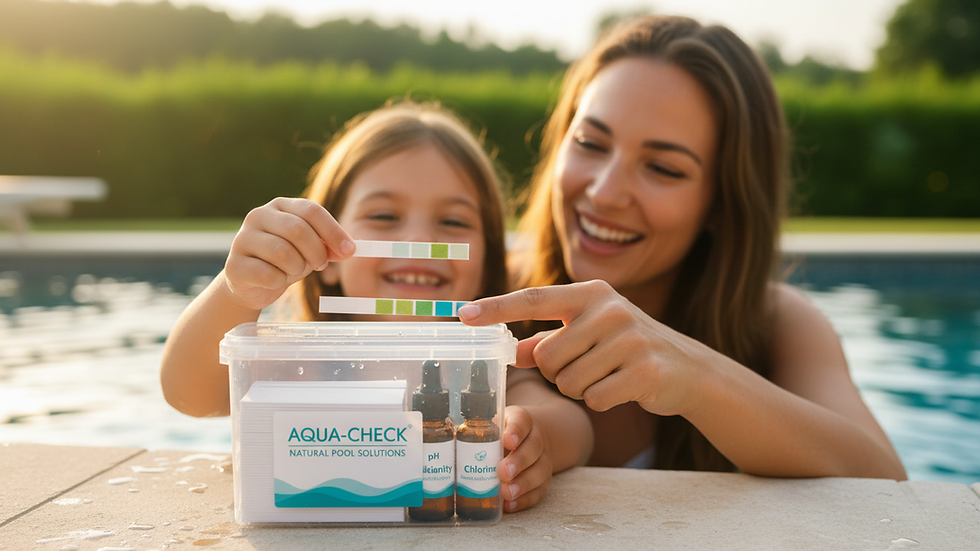
These are small strips coated with chemicals that change colour when dipped in pool water. They’re easy to use and give you a quick snapshot of pH, chlorine, alkalinity, and sometimes other factors. Just dip, wait a few seconds, and compare the colours to the chart provided.
Liquid Test Kits
These kits use reagents that you add to a water sample. The water changes colour based on the chemical levels. Liquid kits are often more accurate than strips and can test more parameters, but they take a bit more time and care to use.
Digital Testers
For those who want precision, digital testers measure pH, chlorine, and other chemicals electronically. They can be pricier but offer easy-to-read results and less guesswork.
How to Use a Pool Water Testing Kit
Using a testing kit is straightforward, but here are some tips to get the best results:
Always collect water from about elbow depth, away from skimmers or return jets.
Rinse your testing container with pool water before filling it.
Follow the instructions carefully for timing and reagent amounts.
Test your pool water at least twice a week during swimming season.
Record your results to track changes over time.
By keeping an eye on your pool’s chemistry, you can adjust chemicals as needed and avoid bigger problems down the line.

What does putting baking soda in pool water do?
You might have heard that baking soda is a handy pool care ingredient. But what exactly does it do? Baking soda, or sodium bicarbonate, is used to raise the total alkalinity of your pool water without significantly changing the pH.
Here’s why that matters:
Stabilises pH levels: Proper alkalinity acts as a buffer, preventing sudden pH swings.
Protects pool surfaces and equipment: Balanced alkalinity reduces corrosion and scaling.
Improves swimmer comfort: Water with balanced alkalinity feels better on the skin and eyes.
If your pool water tests show low alkalinity, adding baking soda can be a simple and affordable fix. Just be sure to follow dosing guidelines based on your pool size. Overdoing it can cause the alkalinity to spike, which leads to cloudy water and other issues.
How to Choose the Right Pool Water Testing Kit for You
With so many options out there, picking the right testing kit can feel overwhelming. Here are some factors to consider:
Accuracy: If you want precise readings, liquid kits or digital testers are better than strips.
Ease of use: Test strips are quick and simple, great for beginners.
Parameters tested: Make sure the kit covers pH, chlorine, alkalinity, and hardness.
Budget: Test strips are usually the most affordable, while digital testers cost more upfront.
Frequency of testing: If you test often, investing in a durable kit makes sense.
Personally, I found that starting with a good quality liquid test kit gave me a solid understanding of my pool’s chemistry. Over time, I added a digital tester for quick spot checks.
If you want to explore options, you can find a variety of diy pool water testing kits that suit different needs and budgets.

Tips for Maintaining Healthy Pool Water Year-Round
Testing is just one part of pool care. Here are some practical tips to keep your pool water in great shape:
Regular cleaning: Skim debris daily and vacuum the pool weekly.
Maintain filtration: Clean or backwash your filter as recommended.
Balance chemicals: Use test results to adjust chlorine, pH, and alkalinity.
Shock the pool: Occasionally add a higher dose of chlorine to kill bacteria and algae.
Monitor water level: Keep it at the right height for proper circulation.
Cover your pool: Use a cover to reduce evaporation and keep out debris.
By combining these habits with regular testing, you’ll enjoy a sparkling pool that’s safe and inviting all year.
Taking Control of Your Pool Care
Testing your pool water might seem like a small task, but it’s a powerful way to protect your investment and enjoy your pool worry-free. With the right pool water testing solutions, you can catch problems early, save money on repairs, and create a refreshing oasis right in your backyard.
Remember, the key is consistency. Make testing part of your routine, and don’t hesitate to adjust your chemicals based on what you find. Your pool will thank you with clear, healthy water that’s perfect for every swim.
Ready to take the plunge? Start with a reliable testing kit and see how easy pool care can be. Your perfect pool day is just a test away!


Comments